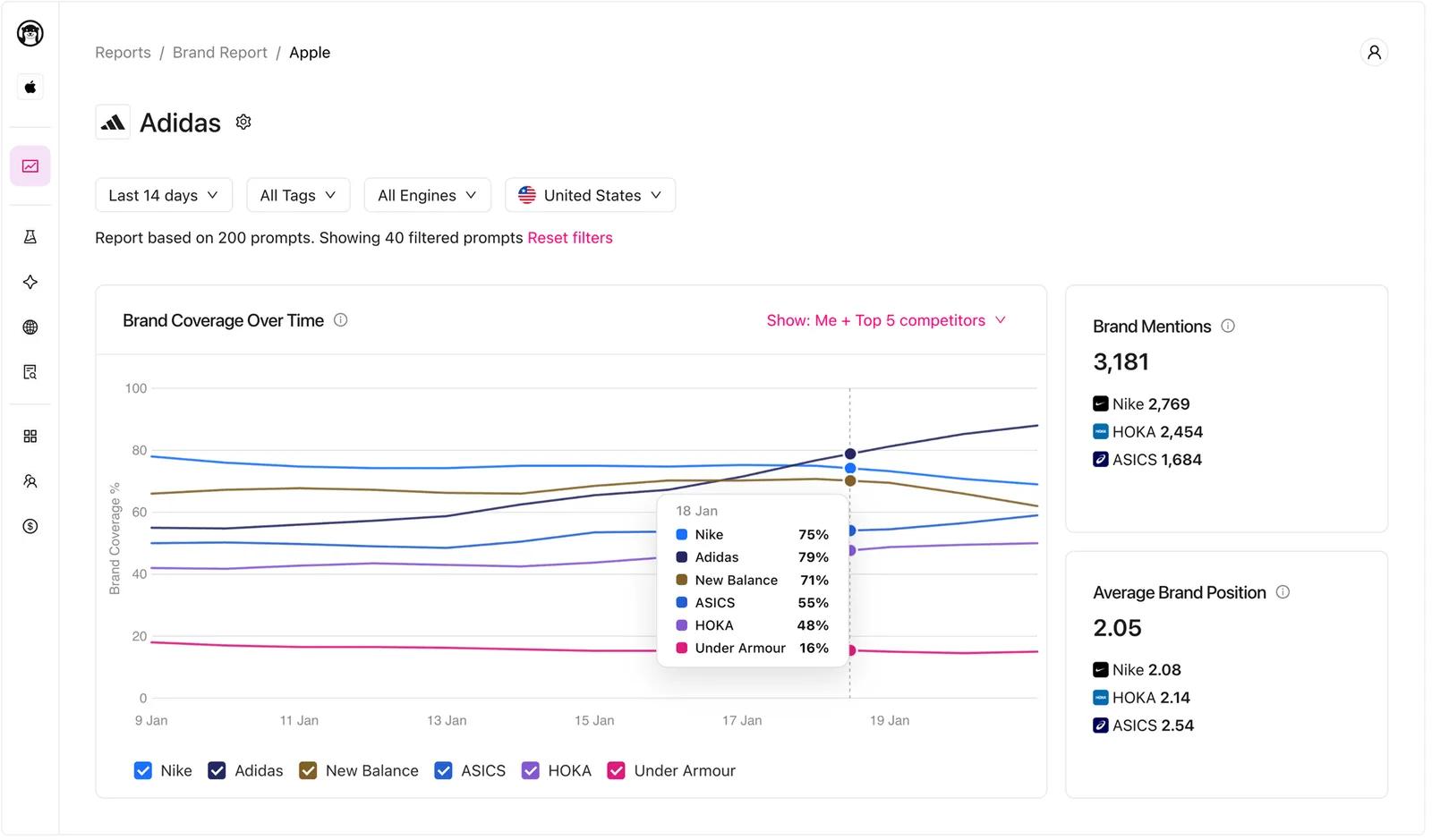
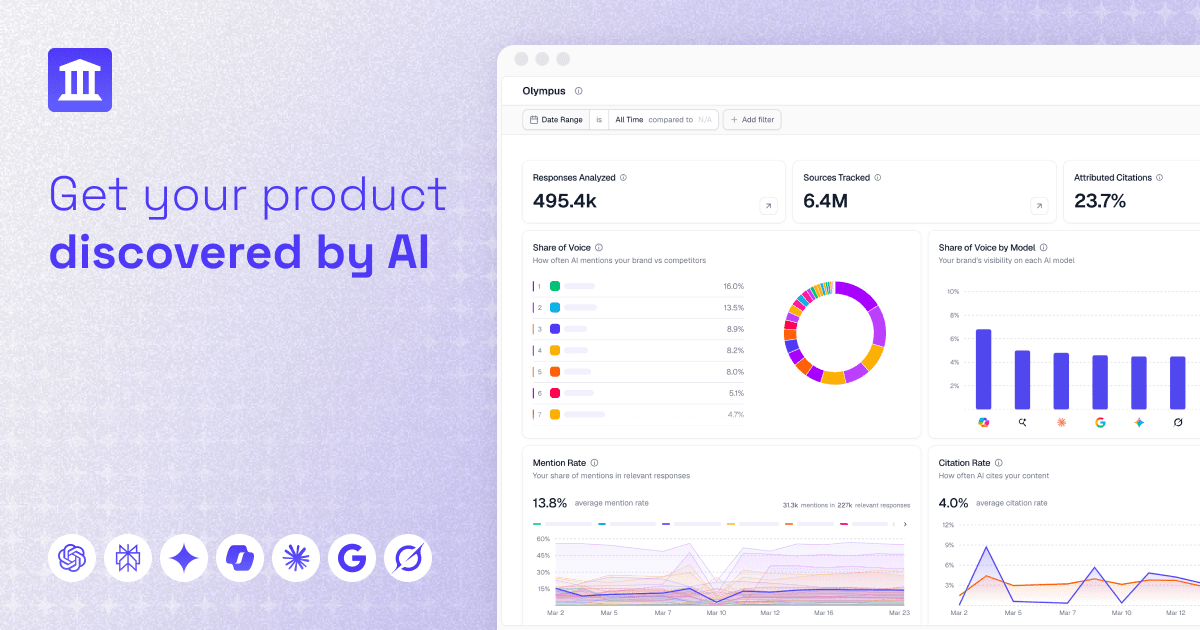
Compare Dageno, Profound, Peec AI, OtterlyAI, and AthenaHQ as Scrunch alternatives for monitoring, source intelligence, content execution, and enterprise GEO.
The best Scrunch alternative depends on which part of Scrunch you are replacing. Dageno is the strongest content-and-opportunity workflow; Profound fits enterprise intelligence; Peec and OtterlyAI offer lighter monitoring; AthenaHQ is relevant for teams prioritizing share-of-voice and action-oriented GEO analysis. None is a like-for-like replacement for every Scrunch monitoring, crawler and Agent Experience Platform capability.
Scrunch alternatives compared
Platform
Best for
Important limitation to test
Dageno
Source, competitor and content opportunities in one workflow
Exact engines, markets and sampling cadence
Profound
Enterprise answer-engine intelligence
Procurement, price and implementation scope
Peec AI
Focused visibility analytics
Depth of execution and enterprise governance
OtterlyAI
Lightweight monitoring
Scaling prompt volume and advanced workflows
AthenaHQ
GEO analytics and optimization workflow
Plan-specific coverage and integrations
What makes Scrunch different?
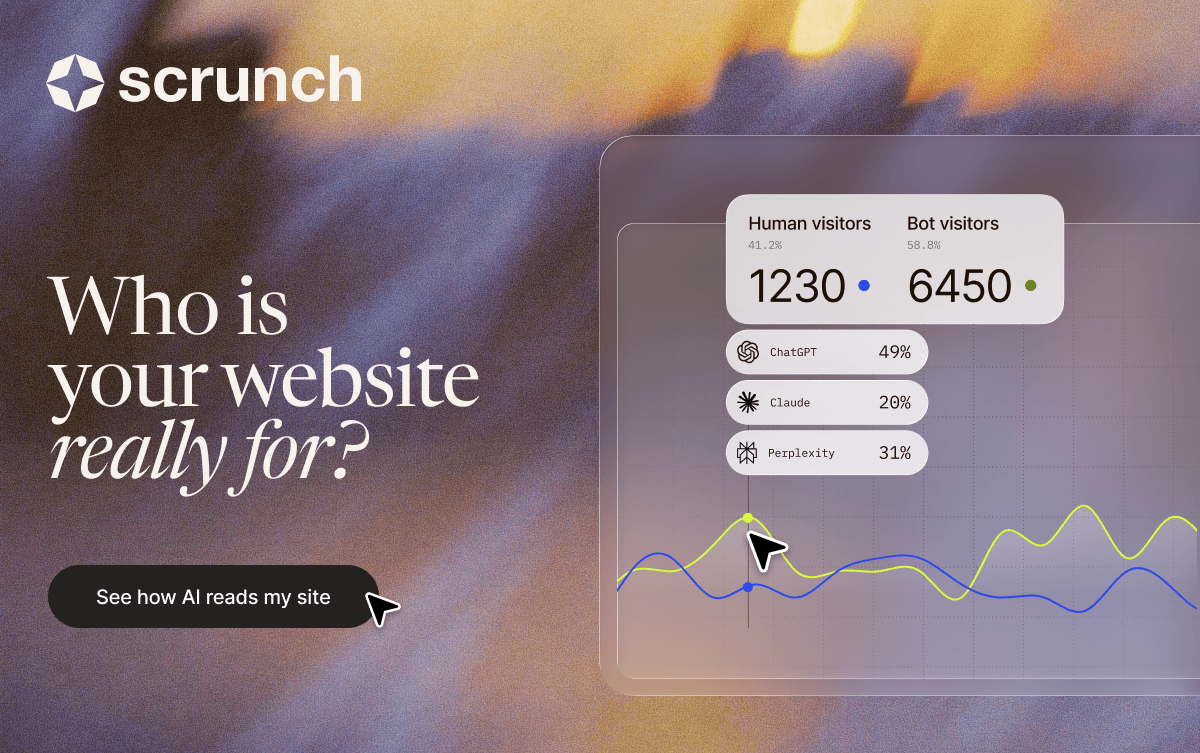
Scrunch positions itself as an AI Customer Experience Platform rather than only a visibility tracker. Its public offering combines Monitoring & Citations, Insights, agent-traffic analysis and the Agent Experience Platform (AXP), which is intended to deliver content in a form AI agents can efficiently use.
That distinction matters. A competitor may match prompt monitoring and share of voice while not replacing crawler analytics or agent-oriented content delivery. Before switching, inventory which Scrunch jobs you actually use:
1. Dageno: best for content and source opportunity execution
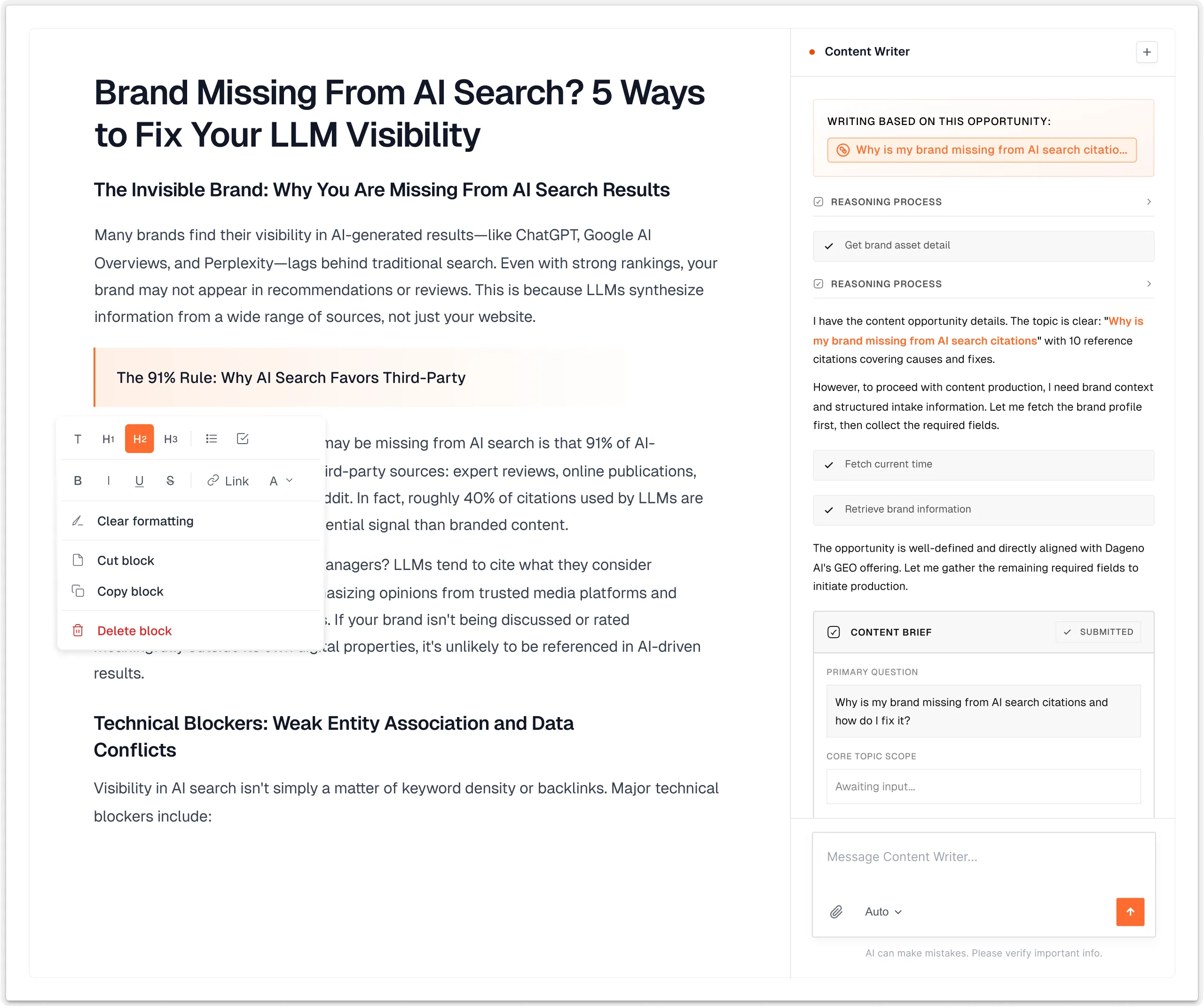
Dageno combines visibility monitoring with competitor analysis, citation-source intelligence, opportunity discovery and content creation or optimization. It is a strong alternative when the team’s problem is not observing AI answers but deciding what to publish, update or influence next.
Strengths: connects prompt gaps to cited sources and content opportunities; supports cross-engine competitive analysis; gives editorial teams a clearer handoff from insight to action.
Trade-offs: it should not be assumed to duplicate AXP’s delivery architecture. Confirm required engines, countries, languages, history and exports with a representative project.
Best buyer: SEO, content and growth teams that want an operating system for GEO execution rather than a monitoring-only dashboard.
2. Profound: best for enterprise answer-engine intelligence
Profound is designed for organizations treating AI visibility as a cross-functional intelligence program. It is relevant when brand, communications, digital and executive teams need structured reporting, source analysis and large-scale prompt portfolios.
Strengths: enterprise positioning, broad answer intelligence and stakeholder reporting.
Trade-offs: implementation and pricing may be less accessible for a small team. Require a live pilot that shows raw answers, methodology, permissions, exports and market coverage.
Best buyer: global brands with dedicated AI-search budgets and governance needs. See Profound’s official website.
3. Peec AI: best for lean analytics teams
Peec AI offers a focused visibility and competitive analytics experience. It is a sensible alternative when teams value fast setup and clear trends more than agent-delivery infrastructure.
Strengths: approachable monitoring, share-of-voice analysis and competitive reporting.
Trade-offs: content production, technical agent delivery and revenue attribution may remain separate workflows. Test prompt limits and localized tracking at expected scale.
Best buyer: small and mid-sized marketing teams with existing content and analytics tools. See Peec AI’s official website.
4. OtterlyAI: best for lightweight monitoring
OtterlyAI is useful for recurring visibility checks, citations and straightforward reporting. It works well for a pilot or a concentrated prompt set when a team does not need a complex rollout.
Strengths: low-friction onboarding and a monitoring-first workflow.
Trade-offs: advanced source intelligence, permissions and integrated production may be limited compared with broader suites. Model the price at your real prompt volume.
Best buyer: consultants, startups and teams establishing their first AI-search baseline. See OtterlyAI’s official website.
5. AthenaHQ: best for GEO analysis and prioritization
AthenaHQ focuses on monitoring brand presence across AI answers and turning results into optimization work. It belongs on the shortlist for teams that want a dedicated GEO product with competitive views and action-oriented insights.
Strengths: purpose-built AI-search analysis and optimization framing.
Trade-offs: confirm current model, country and language coverage, integrations, history and plan limits. Public feature names alone do not establish measurement equivalence with Scrunch.
Best buyer: teams wanting a specialized GEO workspace without Scrunch’s full AXP proposition. See AthenaHQ’s official website.
Which alternative should you choose?
Choose Dageno when editorial opportunity and execution are the bottleneck. Choose Profound when enterprise intelligence and governance dominate. Choose Peec AI for focused analytics, OtterlyAI for lightweight recurring monitoring, and AthenaHQ for a dedicated GEO optimization workflow.
Stay with or shortlist Scrunch when crawler behavior, agent accessibility and AXP delivery are central. A monitoring substitute cannot automatically replace those technical capabilities.
A defensible vendor test
Select 50 prompts across category, comparison, problem and brand-risk intents.
Lock country, language, model surface and run frequency.
Have every vendor execute the same set.
Manually verify brand, competitor, sentiment and citation extraction on 20 answers.
Measure how long it takes to find one actionable source gap and one content gap.
Test exports, permissions, alerts and API access with real stakeholders.
Calculate full annual cost at production prompt volume.
Connect visibility changes to AI referrals and qualified conversions.
Migration checklist
Export historical answers, prompts, competitors, citation URLs and annotations before ending access. Preserve a shared validation set during the transition, document differences in visibility formulas, and run both systems in parallel long enough to establish a new baseline. If AXP or crawler features are in use, involve engineering before changing delivery infrastructure.
What is the closest complete replacement for Scrunch?
There may not be one. Monitoring tools can match answer tracking, but Scrunch’s crawler and AXP delivery capabilities require separate evaluation. Map required jobs before choosing.
What is the best Scrunch alternative for content teams?
Dageno is the strongest fit in this comparison because it connects prompt and source gaps to content opportunities and execution.
What is the best lower-complexity option?
Peec AI and OtterlyAI are reasonable candidates for teams prioritizing recurring monitoring. Compare real prompt limits and coverage before deciding.
Should pricing be the primary criterion?
No. Normalize cost by the prompts, engines, countries, history, users and features the team will actually use. A cheaper monitor can cost more if diagnosis and execution remain manual.
Dageno is the research and insights team at Dageno AI, publishing industry reports and expert analysis on AI Search Visibility, Generative Engine Optimization (GEO), and AI-powered search discovery.