Explore 12,000+ niche markets with no login required
SE Ranking is a capable all-in-one SEO platform, so the best replacement is not automatically the product with the most features. The right alternative depends on what you want to improve: research depth, backlink analysis, rank-update speed, local precision, reporting simplicity, or AI-search visibility.
This guide compares seven realistic alternatives using the workflows that matter in daily SEO work. Prices and allowances change; verify the current plan against your keyword count, update frequency, locations, users, and projects before buying.
Best SE Ranking alternatives at a glance
Alternative
Best for
Strongest advantage
Main trade-off
Semrush
Broad marketing and SEO consolidation
Deep research, competitive, reporting, and advertising ecosystem
Higher cost and complexity
Ahrefs
Backlinks and organic research
Strong link and competitor data
Rank tracking is not its only or cheapest job
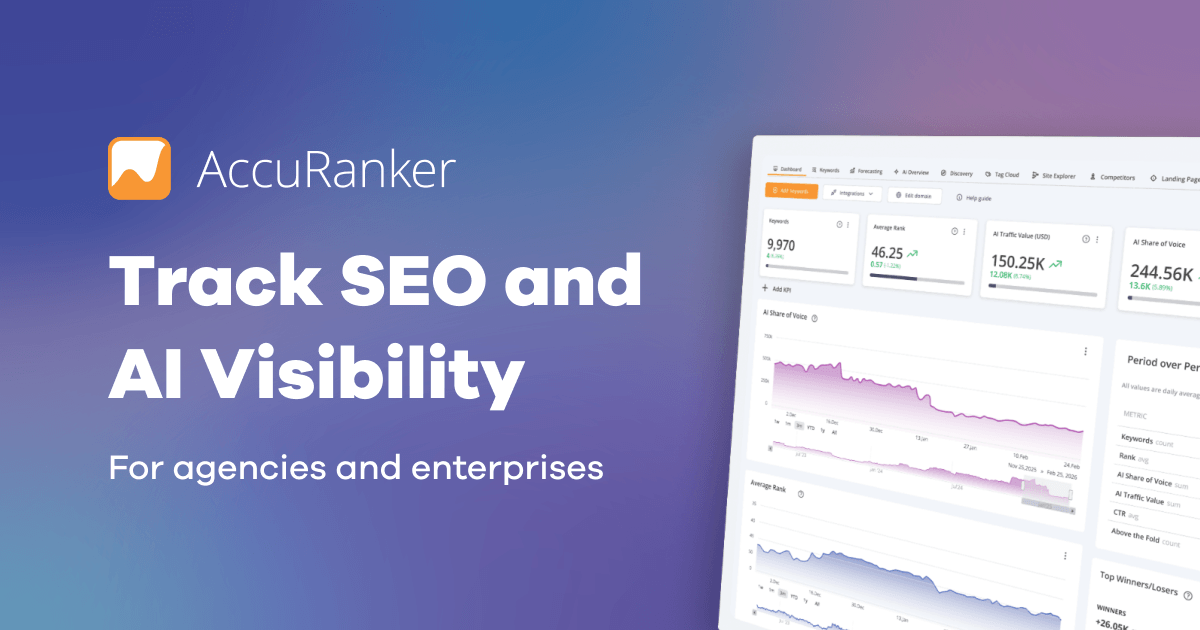
AccuRanker
Dedicated rank tracking
Fast, precise tracking and segmentation
Requires other tools for a full SEO suite
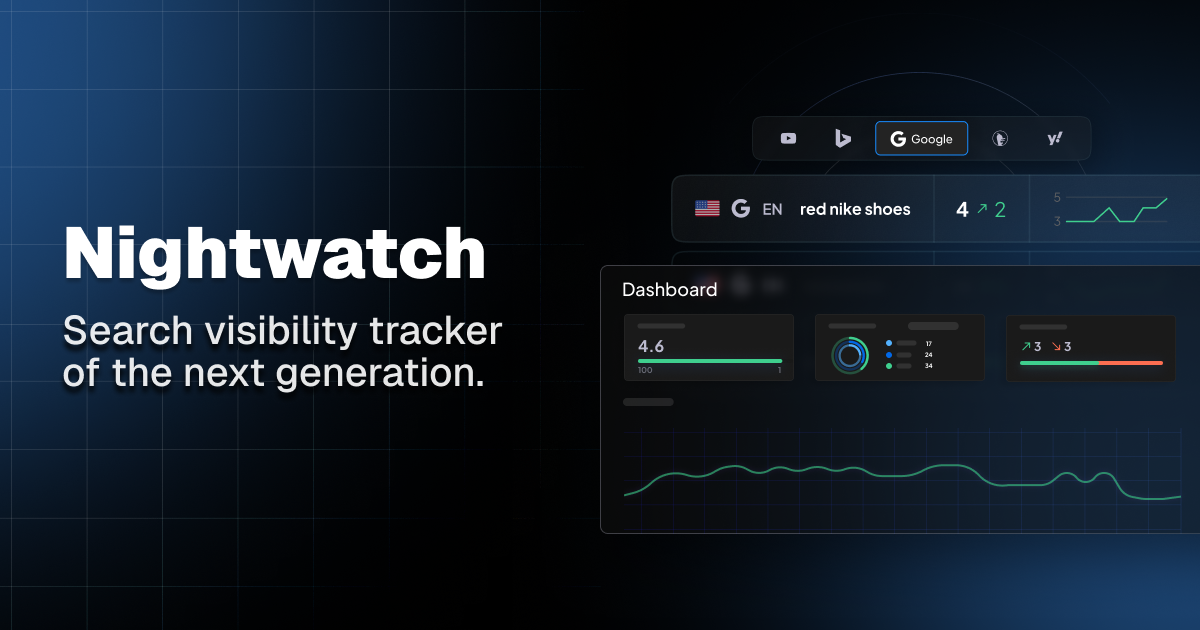
Nightwatch
Local and multi-location tracking
Location-focused tracking and agency workflows
Research breadth is narrower than an all-in-one
Wincher
Simple in-house tracking
Clear workflow and approachable reporting
Less depth for advanced research
Mangools
Small teams and freelancers
Easy keyword research and SERP analysis
Lighter audits, automation, and enterprise controls
Dageno AI
AI-search visibility and GEO
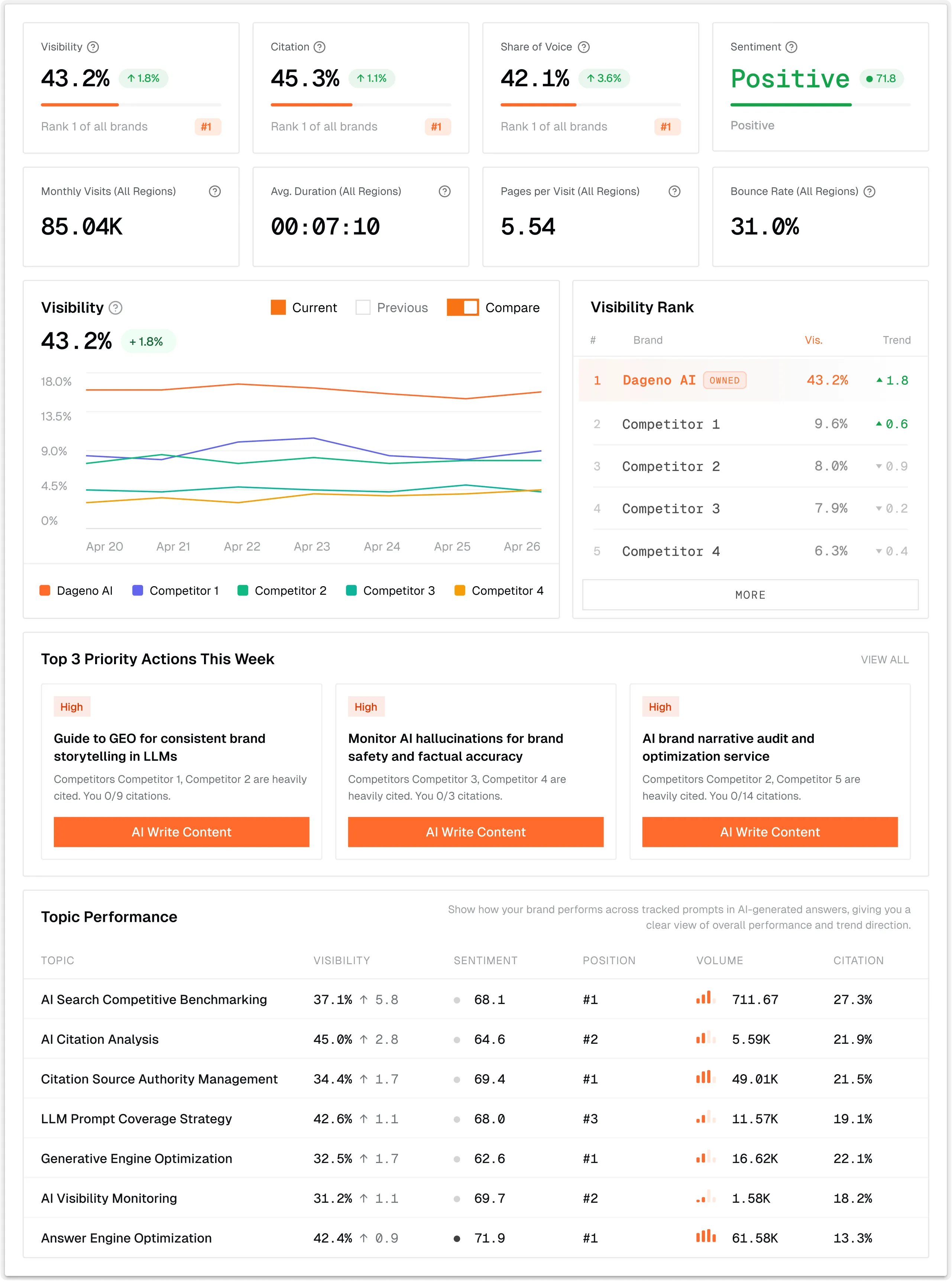
Tracks prompts, citations, competitors, and AI-answer gaps
Complements rather than fully replaces classic SEO tools
What should an SE Ranking replacement actually replace?
SE Ranking combines keyword rank tracking, competitor research, site auditing, backlinks, content tools, reporting, local marketing, and AI-search features. Few alternatives beat it in every category at the same price.
Start by documenting the work you really perform:
number of tracked keywords, search engines, locations, devices, and update frequency;
client projects, seats, white-label reports, and API or Looker Studio requirements;
keyword, backlink, and competitor research volume;
site-audit crawl limits and issue ownership;
local pack, map, and location-level reporting;
ChatGPT, Google AI, Perplexity, Gemini, or other AI-answer monitoring;
content briefs, editing, and optimization workflows.
A dedicated tracker plus a focused AI-visibility platform can be better than one large suite. Conversely, consolidating tools can reduce training and reporting overhead. Compare the total operating stack, not only the monthly subscription.
1. Semrush: best overall all-in-one alternative
Semrush is the strongest alternative when the goal is to expand beyond SE Ranking into a broader digital-marketing dataset. It combines keyword and competitor research, position tracking, backlinks, technical audits, content workflows, advertising research, local tools, and AI-search capabilities.
Where Semrush is better
Broader competitive research across organic and paid search.
Extensive keyword discovery, content-gap, and domain-analysis workflows.
A large ecosystem of reports, integrations, and adjacent marketing tools.
Easier consolidation for teams already using Semrush outside rank tracking.
Where SE Ranking may still be better
SE Ranking is often easier to operate and can be more economical for agencies that need straightforward tracking, audits, and client reporting. Semrush's breadth creates more menus, modules, limits, and procurement decisions.
Best-fit buyer and test
Choose Semrush for an in-house or agency team that will actively use research and competitive intelligence beyond rankings. During a trial, recreate one real monthly client report, run the same domain and keyword-gap analysis, and calculate the cost of the exact tracked-keyword and AI-visibility scope.
2. Ahrefs: best for backlinks and organic research
Ahrefs is a natural replacement when backlink analysis, link prospecting, content research, and organic competitor discovery matter more than having every agency feature in one package.
Where Ahrefs is better
Strong workflows for backlink profiles, referring domains, link intersections, and lost links.
Fast competitive exploration from a domain or URL.
Content and keyword research that connects ranking pages with authority signals.
Brand Radar adds a path into AI-answer and broader brand visibility research.
Where SE Ranking may still be better
Teams whose main need is affordable daily rank tracking, white-label reporting, or a balanced agency bundle may find SE Ranking more practical. Ahrefs is most valuable when analysts use its research data deeply.
Best-fit buyer and test
Choose Ahrefs for content-led SEO, digital PR, and link-focused programs. Compare the two platforms on 20 competitors: referring-domain discovery, link relevance, keyword overlap, export limits, and the time required to turn research into an outreach or content plan.
3. AccuRanker: best dedicated rank tracker
AccuRanker focuses on rank tracking rather than trying to replace an entire SEO stack. That specialization is valuable for teams that care about frequent updates, keyword segmentation, dynamic reporting, and reliable access to ranking history.
Where AccuRanker is better
A workflow centered on rank monitoring and analysis.
Flexible tagging and segmentation for large keyword portfolios.
Strong fit for teams that need on-demand or frequent ranking updates.
Cleaner handoff into BI and stakeholder reporting when ranking data is the priority.
Where SE Ranking may still be better
AccuRanker does not aim to replace broad keyword research, backlink analysis, full content tooling, and site auditing. The total stack may cost more once those jobs are covered elsewhere.
Best-fit buyer and test
Choose AccuRanker for agencies, ecommerce sites, and in-house teams that treat rank data as operational infrastructure. Import the same tagged keyword sample, compare location and device handling, measure update time, and rebuild a weekly dashboard before deciding.
4. Nightwatch: best for local and multi-location tracking
Nightwatch is a strong alternative for businesses and agencies that track search performance across cities, neighborhoods, or many service areas. It emphasizes precise location tracking, keyword segmentation, and client-ready reporting.
Where Nightwatch is better
Strong local and geographic rank-tracking use cases.
Useful segmentation across clients, locations, devices, and keyword groups.
Agency-oriented reporting without the weight of a very broad research suite.
A practical option when the team already owns separate research and audit tools.
Where SE Ranking may still be better
SE Ranking provides a more balanced all-in-one package for keyword research, backlinks, audits, content, and tracking. Nightwatch should be evaluated as a specialist, not a one-for-one suite replacement.
Best-fit buyer and test
Choose Nightwatch for local SEO agencies, franchises, and service businesses. Test real ZIP codes or coordinates, local pack and organic results, mobile versus desktop, scheduled reports, and the time required to add many locations.
5. Wincher: best for a simpler rank-tracking workflow
Wincher is designed to make rank tracking and keyword opportunity discovery approachable for marketers who do not need a complex enterprise suite.
Where Wincher is better
A focused interface that is easier for non-specialists to adopt.
Clear keyword monitoring, grouping, and performance reporting.
Suitable for content and marketing teams that need recurring ranking decisions.
Less operational overhead than a large multi-module platform.
Where SE Ranking may still be better
Advanced agencies may miss deeper competitor research, broader audits, backlink workflows, granular client controls, or the range of adjacent tools available in SE Ranking.
Best-fit buyer and test
Choose Wincher for small in-house teams, editorial groups, and businesses that primarily need visibility into priority keyword movement. Test opportunity recommendations, report clarity, user permissions, and the cost at your full keyword count.
6. Mangools: best approachable research toolkit
Mangools packages keyword research, SERP analysis, rank tracking, backlink inspection, and site metrics into a visually accessible toolkit.
Where Mangools is better
Low learning curve for keyword and SERP research.
Fast manual analysis for freelancers and smaller content programs.
Clear visual presentation that helps occasional users understand the data.
A sensible fit when enterprise automation is unnecessary.
Where SE Ranking may still be better
SE Ranking is stronger for agencies that require site audits, reporting automation, project management, broader competitor workflows, and many tracked keywords or locations.
Best-fit buyer and test
Choose Mangools when ease of use matters more than maximum depth. Recreate a real keyword-research brief, inspect SERPs and competitor pages, then compare limits and export needs rather than judging from the interface alone.
7. Dageno AI: best for AI-search visibility and GEO
Dageno AI is not a traditional rank tracker. It is the best alternative in this list when the missing requirement is visibility inside AI-generated answers rather than another set of Google position charts.
Where Dageno is better
Tracks how brands and competitors appear across AI-search prompts.
Analyzes mentions, citations, source URLs, and prompt-level gaps.
Helps prioritize technical, content, and authority actions.
Connects monitoring with content optimization and result measurement.
Where SE Ranking may still be better
Dageno does not replace every classic SEO job. Teams still need Google rank tracking, keyword research, backlink analysis, technical auditing, and Search Console. The strongest setup may use Dageno as the GEO layer above an established SEO stack.
Best-fit buyer and test
Choose Dageno when leadership is asking whether the brand appears in ChatGPT, Google AI experiences, Perplexity, Gemini, or other answer engines—and which sources shape those answers. Test a stable set of high-intent prompts and verify raw answers, citation URLs, competitor gaps, and the action workflow.
Best local and multi-location tracker: Nightwatch.
Best simple in-house workflow: Wincher.
Best approachable research suite: Mangools.
Best AI-answer and citation visibility layer: Dageno AI.
How to compare costs accurately
Do not compare the lowest displayed monthly prices. Build the same specification for every vendor:
Cost driver
Your required quantity
Tracked keywords
Include desktop/mobile and duplicate locations
Update frequency
Daily, weekly, or on demand
Search engines and locations
Countries, cities, ZIP codes, maps
Projects and websites
Include clients, subdomains, and markets
Users and permissions
Editors, analysts, clients, executives
Reports and white labeling
Scheduled PDF, dashboard, API, BI export
Research and crawl credits
Keyword rows, backlinks, pages, exports
AI-search monitoring
Prompts, engines, languages, and history
Also include migration time, report rebuilding, training, integrations, and the cost of separate tools required to fill missing capabilities.
A migration checklist from SE Ranking
Export keyword lists with tags, locations, devices, and landing pages.
Export historical rankings and baseline reports before canceling anything.
Record site-audit settings, ignored issues, crawl scopes, and scheduled runs.
Export competitor sets, backlink lists, and disavow-related working files.
Rebuild one representative project in the new platform.
Run both systems in parallel for at least one reporting cycle.
Document expected differences in location, SERP features, update time, and scoring.
Validate scheduled reports, permissions, API calls, and client access.
Only cancel the old plan after stakeholders approve the replacement reports.
SEO rank tracking vs AI visibility tracking
Google rank tracking answers “Where did this URL rank for this keyword at this location and time?” AI visibility tracking answers a different set of questions: “Was the brand mentioned or recommended, which source was cited, how did competitors appear, and did the answer change?”
The two datasets should be connected but not merged into one score. Search Console clicks, impressions, conversions, classic rankings, AI referrals, mentions, citations, and answer share each measure a different part of discovery.
Final recommendation
Stay with SE Ranking if its balance of tracking, research, audits, and reporting already fits the team. Move to Semrush or Ahrefs when deeper research justifies the higher investment. Choose AccuRanker or Nightwatch when tracking precision is the central job. Choose Wincher or Mangools when simplicity matters. Add Dageno when the real gap is AI-answer visibility rather than classic rankings.
The best decision comes from a parallel trial using your own keywords, locations, reports, prompts, and team—not from a feature-count table.
Frequently asked questions
What is the best overall SE Ranking alternative?
Semrush is the broadest direct alternative in this comparison. It is not automatically the best value; teams should compare the exact modules and limits they will use.
What is the best alternative for rank tracking only?
AccuRanker is the strongest specialist for dedicated rank tracking, while Nightwatch is especially relevant for local and multi-location use cases.
What is a simpler SE Ranking alternative?
Wincher is a focused option for straightforward rank monitoring. Mangools is approachable when keyword and SERP research are also required.
Can Dageno replace SE Ranking?
Not as a complete classic SEO suite. Dageno replaces or adds the AI-search visibility layer: prompt monitoring, mentions, citations, competitors, source gaps, and GEO workflows. Many teams will use it alongside rank tracking and Search Console.
Should an agency choose one platform for everything?
Only if consolidation improves delivery. A specialist rank tracker plus a research platform and a GEO tool can produce better data, but it also creates more billing, integrations, and reporting work. Model the full operating cost.
Tim is the co-founder of Dageno and a serial AI SaaS entrepreneur, focused on data-driven growth systems. He has led multiple AI SaaS products from early concept to production, with hands-on experience across product strategy, data pipelines, and AI-powered search optimization. At Dageno, Tim works on building practical GEO and AI visibility solutions that help brands understand how generative models retrieve, rank, and cite information across modern search and discovery platforms.