Google Gemini vs ChatGPT: Which AI Chatbot Is Better in 2026?
ChatGPT excels at research and keyword-focused tasks while Google Gemini leads in image generation and creative content, making both essential for modern marketing workflows.
ChatGPT wins for research tasks, keyword research, backlink outreach, and SEO-focused content creation
Google Gemini excels at image generation, understanding complex concepts, and creative writing with compelling sales copy
Both platforms offer free and paid plans at approximately $20/month
ChatGPT provides more consistent research experiences with specific source citations
Gemini offers better multimodal capabilities including voice conversation and image creation
For comprehensive AI search visibility, Dageno AI tracks how your content appears across these AI platforms
Overview
Google Gemini and ChatGPT have transformed how marketers approach content creation, SEO optimization, and workflow automation. Since ChatGPT's release in November 2022, LLMs have improved productivity, enhanced creativity, and impacted the economy with job changes across industries.
According to PCMag's comprehensive testing, each platform has distinct strengths that make them better suited for different use cases.
Key Differences
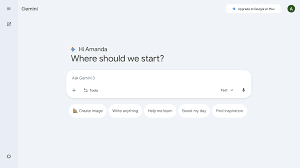
ChatGPT is a text-focused AI chatbot where users interact via text input (with talk-to-text option available). Google Gemini differentiates itself through multi-modal capabilities, including Google Gemini Live for real-time voice conversation.
Web access for up-to-date information (even on free plan)
Specific sources typically included in results
Consistent experience requiring less prompting
Helpful information with each answer
Google Gemini may provide broad sources like category pages instead of specific blog posts, making ChatGPT superior for content strategy development.
Understanding Complex Concepts
Google Gemini does a better job
At simplifying complex concepts with crystal-clear answers and skimmable formatting. ChatGPT also excels but takes different approaches (e.g., using analogies). Both support ELI5 (Explain Like I'm Five) prompting.
Image Generation
Google Gemini is better for image generation because:
Creates images with accurate text placement
Image generation included in free plan
No misspellings in generated text
ChatGPT limitations:
Free version only allows 2 images per day
Often generates misspellings ("recall" → "cecall")
Images with people restricted to Gemini Advanced subscribers
SEO Tasks Comparison
Keyword Research: ChatGPT wins
ChatGPT suggestions were all relevant to topic
Google Gemini generated off-topic keywords approximately 40% of the time
Both tend to be long-winded; refined prompts recommended
Backlink Outreach Ideas: ChatGPT wins
Wider range of ideas and opportunities
More extra detail and guidance
Backlink Outreach Emails: ChatGPT wins
Focused on value recipient would enjoy
Used effective copywriting approach (benefits-focused)
Creative Content and Planning
Google Gemini is more useful for creative content
Better at generating blog topics, outlines, email campaigns
Natural, engaging writing style
Captions can often be published as-is
Sales copy was more compelling and benefits-oriented
ChatGPT is better for:
Outlining with more detail
Video scripts (includes voice-narrated and text-based CTAs)
For creating best SaaS blogs, using both platforms strategically yields best results.
Blog Post Repurposing
ChatGPT provides better repurposing ideas
Dozens of detailed ideas within well-organized plan
Suggestions include: infographics, email series, social media snippets, video/live streams, podcast episodes
Google Gemini's response was brief with limited creativity and detail.
Text Transcription from Images
ChatGPT is great for transcribing text from images
Much better accuracy with complex infographics
One minor mistake ("Update and Relaunch" → "Update and Improve")
Google Gemini issues:
Re-arranged list orders
Added extra items
Changed some advice
Reasoning and Decision-Making
Both apps are good
Recommended to use both for wider range of perspectives. Neither provided enough detail alone, but together formed comprehensive starting point.
Organizing, Summarizing, and Scheduling
Transcribing Handwritten Notes: Google Gemini wins
Clearer, easier to read interpretation
Analyzing/Separating Content: Google Gemini wins
Better formatted, easier to read results
ChatGPT had one error ("w/Lee" → "Wylee")
Creating Schedules: ChatGPT wins
More efficient scheduling (done by 5:30 PM vs Gemini's 9:00 PM)
Google Gemini's planning is more relaxed pace
Summary: When to Use Each
Use ChatGPT for:
Research tasks
Keyword research
Titles and headlines
Title tags
Backlink ideas and outreach emails
Blog post outlines
Video scripts
Repurposing ideas
Building efficient schedules
Use Google Gemini for:
Understanding complex concepts
Image generation
Meta descriptions
Alt text
Creative writing and sales copy
Social media captions
Transcribing handwritten notes
Relaxed planning schedules
For comprehensive SEO content optimization, Gemini SEO strategies should incorporate both platforms.
Conclusion
Both ChatGPT and Google Gemini offer unique advantages for marketers in 2026. The key is understanding when to use each platform based on your specific needs:
Choose ChatGPT for SEO-focused tasks, research, and structured content creation
Choose Gemini for creative tasks, image generation, and understanding complex topics
For maximizing visibility across AI platforms, how to rank on Gemini requires understanding how each AI interprets and cites your content.
Ye Faye is an SEO and AI growth executive with extensive experience spanning leading SEO service providers and high-growth AI companies, bringing a rare blend of search intelligence and AI product expertise. As a former Marketing Operations Director, he has led cross-functional, data-driven initiatives that improve go-to-market execution, accelerate scalable growth, and elevate marketing effectiveness. He focuses on Generative Engine Optimization (GEO), helping organizations adapt their content and visibility strategies for generative search and AI-driven discovery, and strengthening authoritative presence across platforms such as ChatGPT and Perplexity