Top 10 Keyword Golden Ratio Strategies in 2026 (Tested Frameworks)

Ye Faye • Mar 25, 2026

Updated by
Updated on Feb 04, 2026
“How many keywords per page should I use?”
This question hasn’t disappeared in 2026—it has evolved.
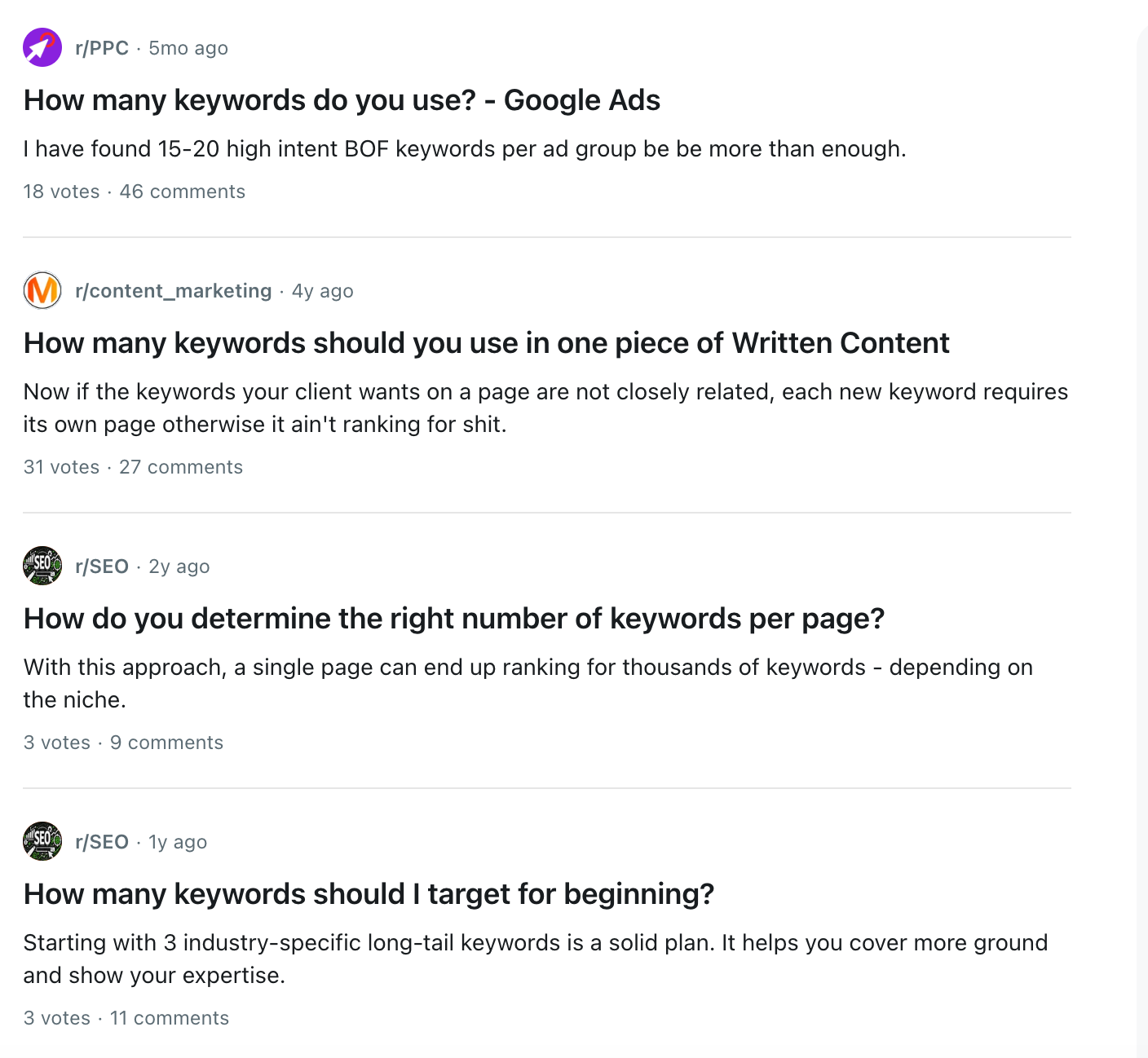
As search engines shift toward AI-assisted retrieval, answer engines, and intent-based ranking, keyword usage is no longer about hitting a number. It’s about how clearly a page communicates one topic to both humans and machines.
This guide explains how many keywords per page you should use today, why the old rules stopped working, and how to structure keyword usage so your content ranks, gets cited, and stays stable in AI-driven search results.
SEO keywords (also known as “keywords” or “keyphrases”) are terms added to online content in order to improve search engine rankings for those terms. Most keywords are discovered during the keyword research process and are chosen based on a combination of search volume, competition and commercial intent.
When someone searches, ranking systems now evaluate:
That means keywords help define scope, not just relevance.
So when we ask how many keywords per page to use, we’re really asking:
How many ideas can one page clearly support without confusing search systems?
SEO keywords play a foundational role in modern search and content strategies. They act as the bridge between user intent and the information your content provides, helping search engines accurately interpret and rank your pages. When used strategically, SEO keywords deliver value beyond rankings alone.
Improve search visibility and discoverability
Well-chosen keywords help search engines understand topical relevance, increasing the likelihood of higher rankings and sustained organic visibility.
Attract high-intent organic traffic
Targeting keywords that reflect real user queries ensures that visitors arriving on your site are actively seeking the information, products, or solutions you offer.
Strengthen content relevance and user experience
Keyword-informed content is better aligned with user expectations, making pages easier to navigate, more informative, and more satisfying to read.
Support long-term SEO and content planning
Keywords provide a strategic framework for content expansion, topic clustering, and internal linking, enabling scalable and sustainable growth.
Build brand authority and trust
Consistently ranking for industry-relevant keyword themes reinforces expertise and credibility, positioning your brand as a reliable source in its niche.
Before deciding how many keywords per page to use, it’s essential to understand the distinct roles different keyword types play within a single piece of content. Each category serves a specific purpose in clarifying intent, structure, and topical relevance.
The primary keyword is the core query your page is designed to answer.
It defines the main topic, search intent, and overall scope of the content.
Each page should target only one primary keyword to maintain focus and avoid intent dilution.
Example:
Secondary keywords are closely related variations or subtopics that reinforce and expand the primary keyword.
They help capture related searches, support semantic coverage, and improve contextual relevance without shifting the page’s main intent.
Examples:
Supporting keywords—often referred to as LSI or semantic keywords—are contextual terms, synonyms, and conceptually related phrases.
They help search engines and AI systems confirm topical depth and content completeness, but they should never compete with or replace the primary keyword.
Used correctly, supporting keywords strengthen understanding without fragmenting intent.
Across modern SERPs, the most consistent pattern is:
One primary keyword + 2–4 closely related secondary keywords per page.
That usually results in:
Importantly, this does not mean you limit rankings.
Well-structured pages optimized around one primary keyword often rank for hundreds or thousands of related queries.
So if you’re deciding how many keywords per page to target, the goal is clarity, not coverage.
Pages ranking consistently in the top 10 rarely chase volume.
They show three common traits:
In AI-assisted search environments, pages with a single, unambiguous topic are favored because they reduce retrieval risk.
If a system has to choose one page to summarize or cite, it will prefer the one that answers one question extremely well—not five questions vaguely.
This is why understanding how many keywords per page to use is now inseparable from understanding topic focus.
There’s no hard numerical ceiling—but there is a conceptual one.
You’ve used too many keywords per page when:
At that point, keyword expansion doesn’t increase visibility—it dilutes it.
From an AI search perspective, ambiguity equals risk.
Risky pages are less likely to be ranked, summarized, or cited.
Every primary keyword represents a distinct user intent.
Trying to optimize one page for multiple primary keywords forces search systems to guess what the page is really about—and they usually guess wrong.
A single-topic page:
This is why modern SEO strategies still rely on one primary keyword per page, even as ranking algorithms evolve.
When deciding how many keywords per page to use, page length is only a surface-level factor.
What truly determines keyword structure is search intent, content depth, and how much semantic coverage a page is expected to provide.
Different page types serve different roles within a site, which directly affects how keywords should be selected and distributed.
Blog posts are designed to answer a focused question or explore a single topic in depth.
This structure aligns well with informational queries and supports natural keyword placement throughout headings and body content.
Product pages must balance search visibility with conversion clarity.
Because product pages are often shorter, keyword usage must remain precise and tightly scoped.
Category pages function as topical hubs, not deep explanations.
In this case, semantic coverage matters more than exact keyword frequency.
Landing pages prioritize clarity and action over informational depth.
For landing pages, fewer keywords used intentionally outperform broader coverage.
FAQ pages address multiple user questions within a single topic.
Rather than repeating keywords, FAQ pages benefit from natural language variations and question-based phrasing.
The shorter or more conversion-focused the page, the narrower the keyword scope should be.
As content depth increases, keyword usage expands—but always within a single, well-defined intent.
This principle is far more reliable than rigid keyword density formulas when deciding how many keywords per page to use.
Primary keywords should appear where they clarify meaning—not inflate counts.
Strategic placement includes:
This structure helps both crawlers and AI models confirm relevance without relying on repetition.
Knowing how many keywords per page to use is only half of the equation.
To achieve consistent rankings, you also need to identify the right primary and secondary keywords—those that match real search behavior, not assumptions.
Consider an online fashion brand planning to publish content around “winter fashion.”
Publishing a page targeting that phrase alone is rarely sufficient. To rank effectively, you must understand:
Manually uncovering this information is unrealistic at scale, which is why structured keyword research is essential.
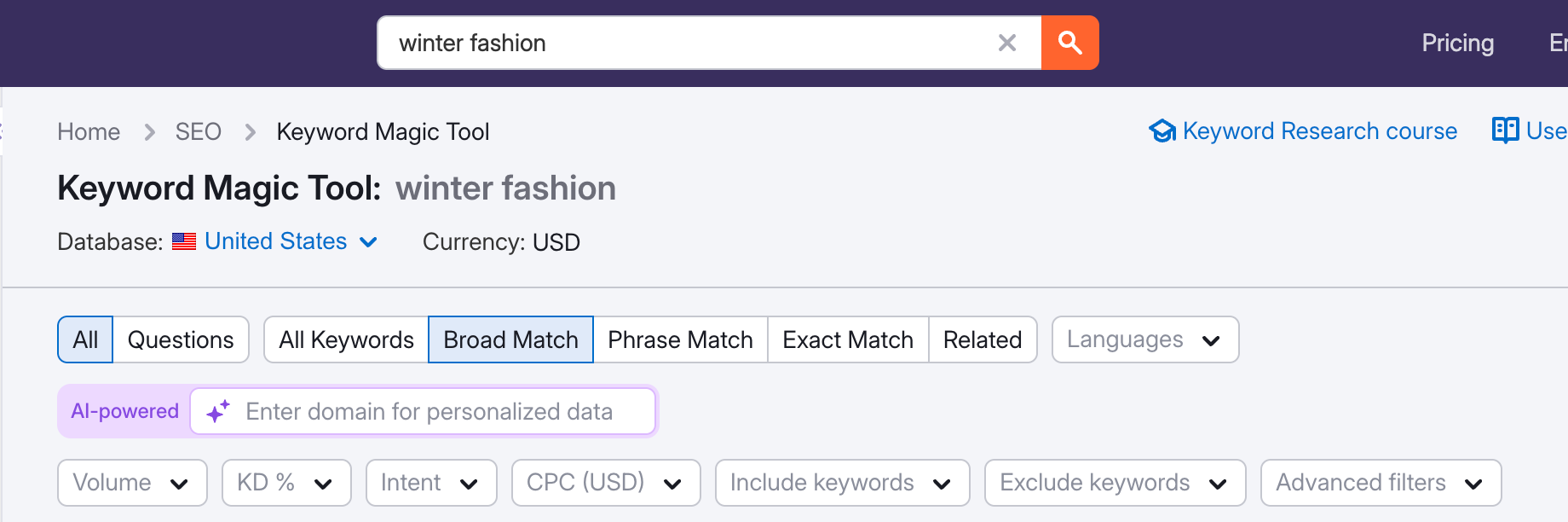
Begin with a broad topic that represents the core theme of your content.
This is known as a seed keyword.
Example seed keyword:
The purpose of a seed keyword is not to rank by itself, but to serve as a discovery point for identifying a viable primary keyword and its supporting terms.
A strong primary keyword typically meets two conditions:
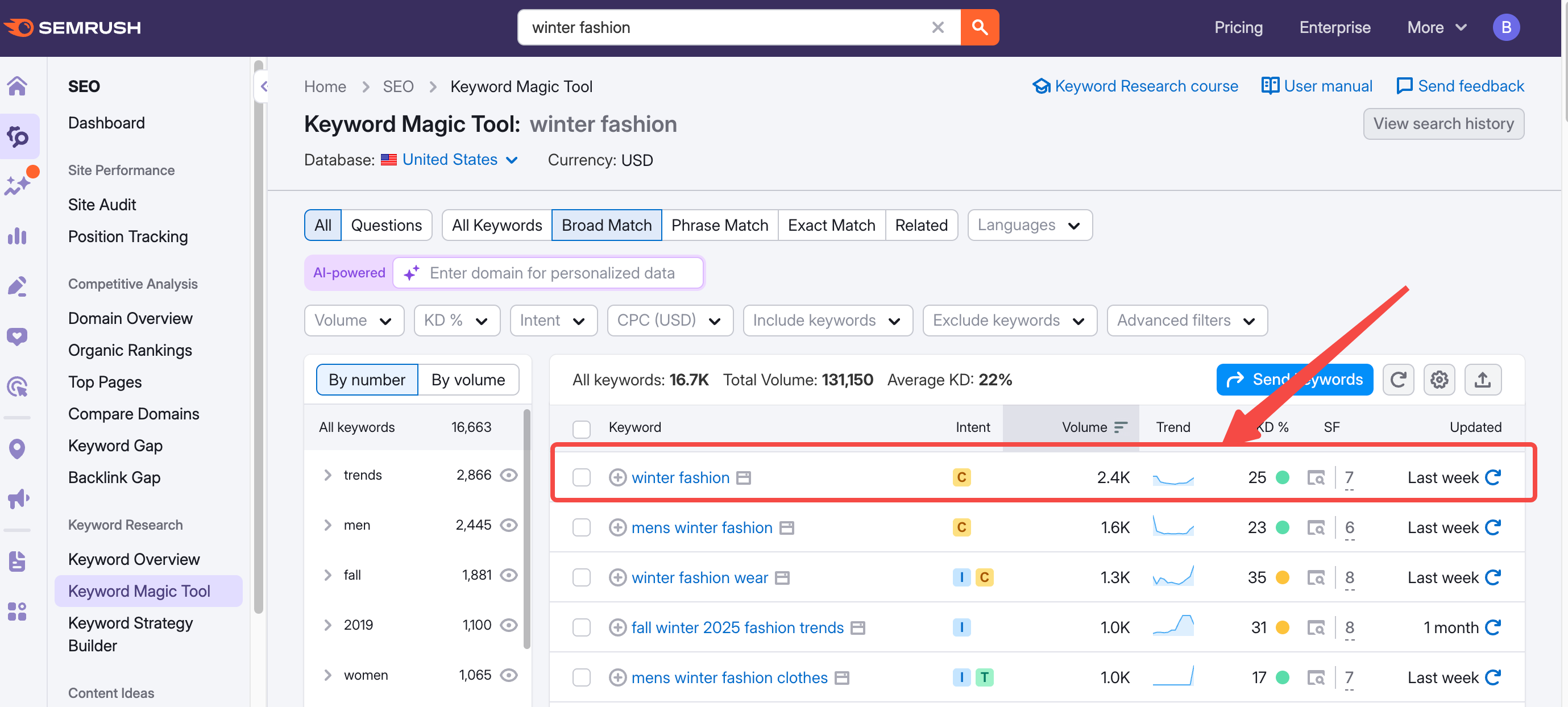
High search volume alone is not enough. In many cases, moderately searched queries with lower difficulty deliver better results, especially when deciding how many keywords per page you can realistically support.
If the seed keyword is overly competitive, look for closely related variations that maintain intent but reduce difficulty.
Your primary keyword should:
Once selected, this keyword becomes the anchor for all content decisions, including structure, headings, and how many keywords per page you ultimately include.
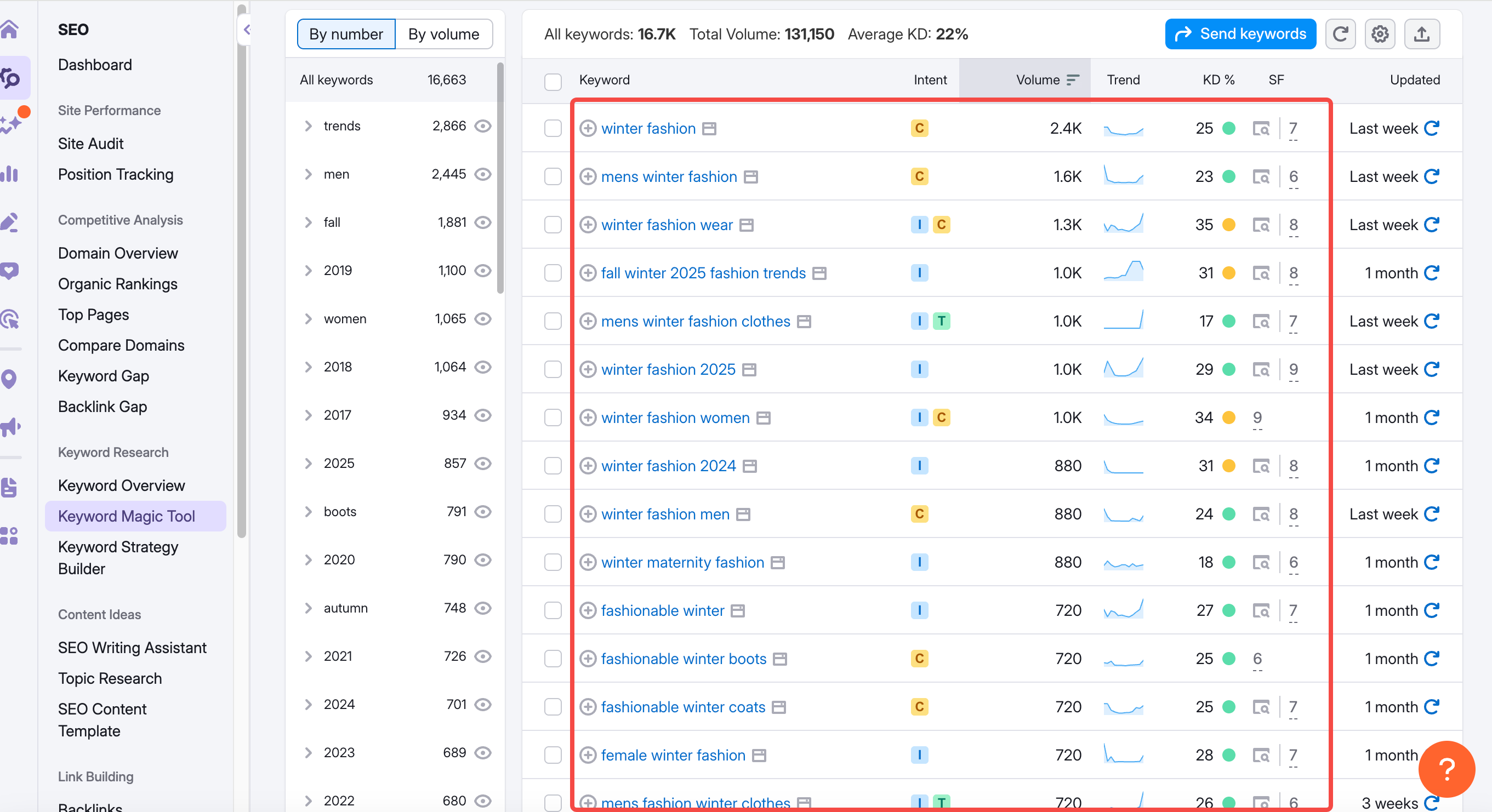
Secondary keywords are discovered by analyzing:
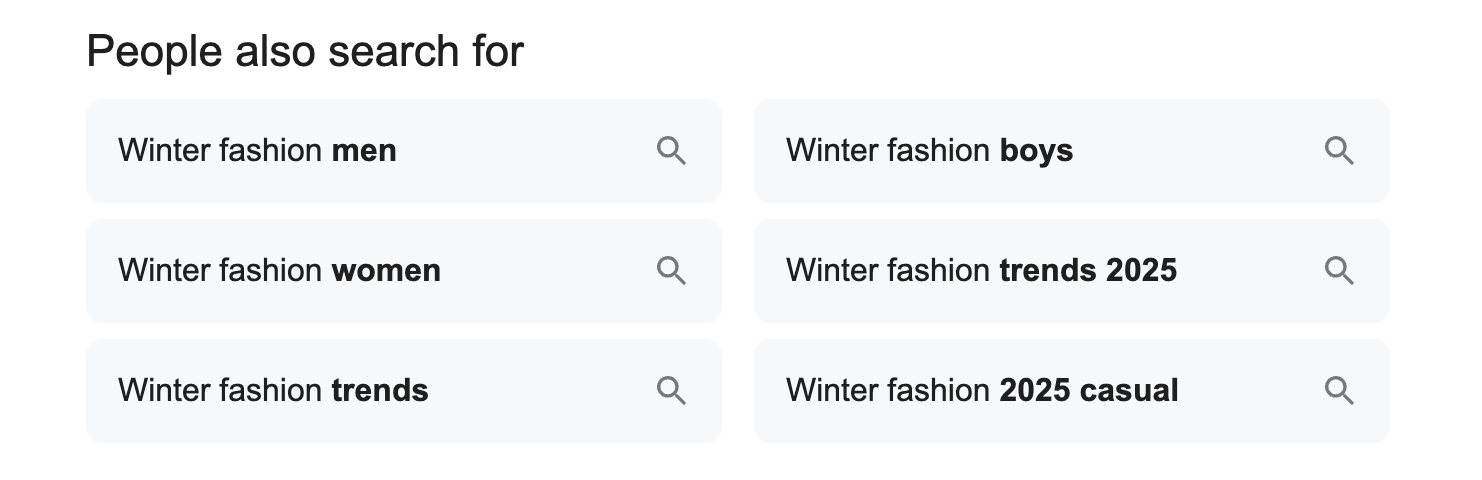
These keywords help expand topical coverage without shifting intent.
They allow you to support the primary keyword while keeping the page focused and semantically rich.
When used correctly, secondary keywords explain how and where to place keywords, not what the page is about.
Before adding any keyword to your content, ask:
If the answer is no, the keyword likely belongs on a different page.
At this point, you’ve identified:
The next step is understanding where and how to place these keywords so they improve rankings without harming readability or intent clarity.
In 2026, the best-performing pages don’t chase keywords—they own topics.
If you remember one rule, make it this:
Use as many keywords as needed to fully answer one question—and no more.
One primary keyword.
A handful of supporting terms.
Clear structure.
No competing intents.
That’s how pages rank, get cited, and stay visible as search continues to evolve.
Tim is the co-founder of Dageno and a serial AI SaaS entrepreneur, focused on data-driven growth systems. He has led multiple AI SaaS products from early concept to production, with hands-on experience across product strategy, data pipelines, and AI-powered search optimization. At Dageno, Tim works on building practical GEO and AI visibility solutions that help brands understand how generative models retrieve, rank, and cite information across modern search and discovery platforms.
Read full bio